What Keeps a Private Jet Acquisition Moving?


Matthew
A business opportunity opens. Your travel schedule changes. The right aircraft becomes available. Suddenly, buying a private jet has a deadline.
An efficient closing is achievable when the aircraft, buyer, seller, and transaction team are prepared. The transaction timeline generally starts once an aircraft is selected and commercial terms are agreed, not when the search begins.
The following illustrates how a straightforward domestic transaction can progress when the pieces are in place. Inspection findings, financing conditions or international requirements can extend the timeline.
Before Day 1: Define Your Mission and Prepare Your Funds
Decide your required range, typical passenger count, runway needs, and acquisition budget before evaluating aircraft. Separate requirements from preferences. A specific cabin finish should not distract from whether the aircraft can reliably serve your destinations.
If financing, give your lender financial statements and ownership information early. Ask what aircraft-specific approvals, appraisals, and documents remain outstanding. Preliminary approval is not the same as funds ready to close.
For cash purchases, confirm liquidity and transfer timing. Choose your aviation attorney, tax advisor, and escrow provider before negotiating.
Days 1–3: Select the Aircraft and Confirm Transaction Readiness
Have your broker confirm the seller’s availability, aircraft location, access to maintenance records, and willingness to support the anticipated transaction timeline.
Request digital logbooks, maintenance tracking reports, damage history, upcoming inspection requirements, and engine program details immediately. Ask whether program balances are current and what transfer requirements apply.
SOLJETS combines market intelligence with experience as aircraft owners, pilots, and operators to help buyers evaluate options against their mission and acquisition objectives. Explore SOLJETS’ acquisition approach.
Days 2–5: Put the Closing Process in Writing
Have aviation counsel translate the agreed terms into a purchase agreement with specific deadlines for inspection, acceptance, discrepancy resolution, and closing.
Define the deposit’s refundability, required delivery condition, responsibility for repairs, and what happens if either party cannot perform. Clear terms give the team a framework for resolving problems quickly. AOPA’s sample purchase agreement illustrates these issues and recommends qualified legal assistance.
Create one shared closing checklist. Assign every item an owner and due date, with brief daily updates when decisions are pending.
Days 3–15: Secure the Inspection Slot Early
Ask qualified facilities experienced with the aircraft model about availability while the agreement is being finalized. A seller’s willingness to close quickly means little if the appropriate facility cannot accommodate the inspection.
Agree on inspection scope with your technical advisor. Address records, applicable airworthiness directives, maintenance status, and model-specific concerns.
Request prompt reporting as findings emerge, followed by written repair estimates and parts availability. Resolve responsibility under the contract before authorizing work.
Protect the inspection process. A serious discrepancy may justify extending the schedule or exercising contractual rights to exit.
Days 5–20: Run Title, Registration, and Insurance Work Concurrently
While technicians inspect the aircraft, have escrow and counsel review title, identify liens, and coordinate required releases. Ask counsel whether International Registry searches and filings apply.
Finalize the purchasing entity early. The FAA requires the purchaser’s name on its bill of sale to match the applicant’s name on the registration application. Check names and signing authority before documents circulate. FAA bill of sale instructions.
Arrange insurance and verify pilot requirements, training availability, and operational readiness. Closing ownership and being ready to fly are separate milestones.
Final Stage: Clear Conditions and Coordinate Delivery
Confirm inspection acceptance, completed contractual repairs, required releases, signed documents, and available funds. Independently verify wire instructions using a known phone number.
Coordinate delivery location, insurance activation, records handover, keys, and maintenance program transfers. Have counsel confirm the registration authority needed for the planned flight.
An efficient closing depends on preparation, coordination and timely decisions. Contact SOLJETS to evaluate your acquisition timeline and build a coordinated path from aircraft selection to delivery.
Explore More on The Manifest



%20(2).jpeg)


How Many Private Jets Fly to the Super Bowl? Here’s What the Numbers Show
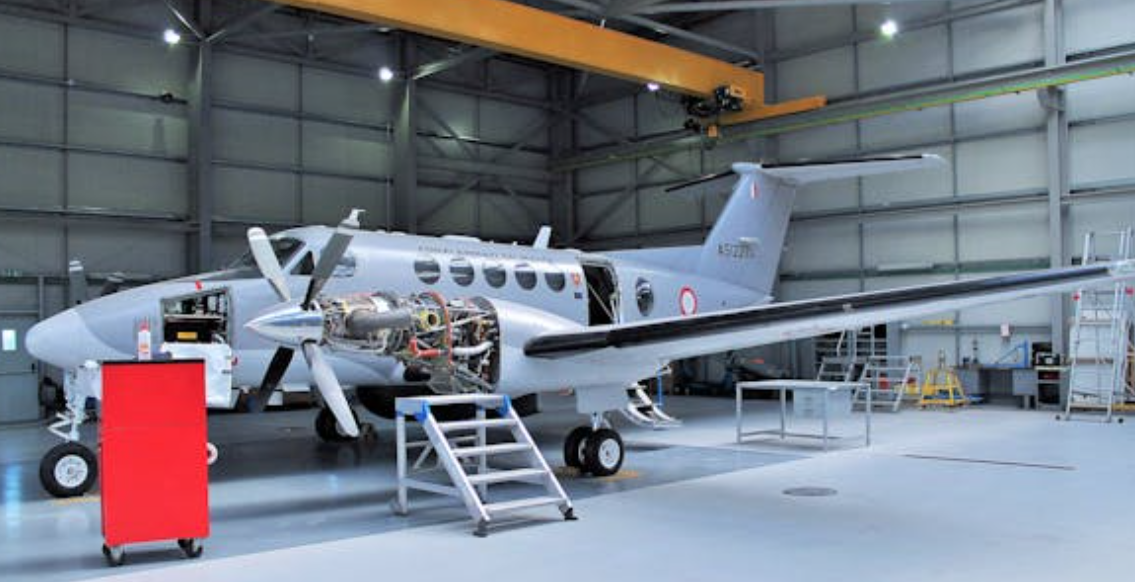
Maintenance Programs Demystified: How Dealers Evaluate Value Before a Purchase
.jpg)
.jpg)
In a Season of Travel Challenges, Private Aviation Gives Us Much to Be Thankful For

Mastering the Phenom Market: How SOLJETS Leads in Embraer Sales and Acquisitions
.png)
%2C_Luxembourg_PP1350972612.jpg)



OBBB Act Reinstates 100% Bonus Depreciation, Reenergizes Private Jet Market

Garmin Autoland: The Life-Saving Technology Revolutionizing Private Jet Operations

President Trump's Potential Acquisition of Qatar's $400 Million Boeing 747-8: A Glimpse into Aviation Luxury
Employee Spotlight: Pericles – A Passion for Flight, Family, and Integrity
.png)


.png)

Honoring Lives Lost: SOLJETS Sends Condolences and Calls for Aviation Safety After D.C. Air Tragedy



If Santa Flew a Gulfstream: The Aviation Reality of Delivering Christmas Gifts

The Current State of the Aviation Insurance Industry: Challenges and Opportunities

The Future of Flight Has Arrived: Meet the Next Generation of Cessna Citation Business Jets

We're Growing in Utah! Strengthening Our Leadership with Shawn Beckstrom as Director of Business Development


.webp)


Exploring the Embraer Praetor 600: Price, Features, and Market Comparison


.avif)


.webp)


.jpeg)


University of Utah Student Completes Soljets' First Summer Internship
.jpeg)
.jpeg)

.jpeg)
.jpeg)
.jpeg)
Twin & Turbine, April 2020 Feature - Increase Your Planes Value In Today's Market
.jpeg)

.jpeg)
Soljets Welcomes Seasoned Aviation Sales Professional Michael Parker To The Team


.jpeg)
.jpeg)
.jpeg)




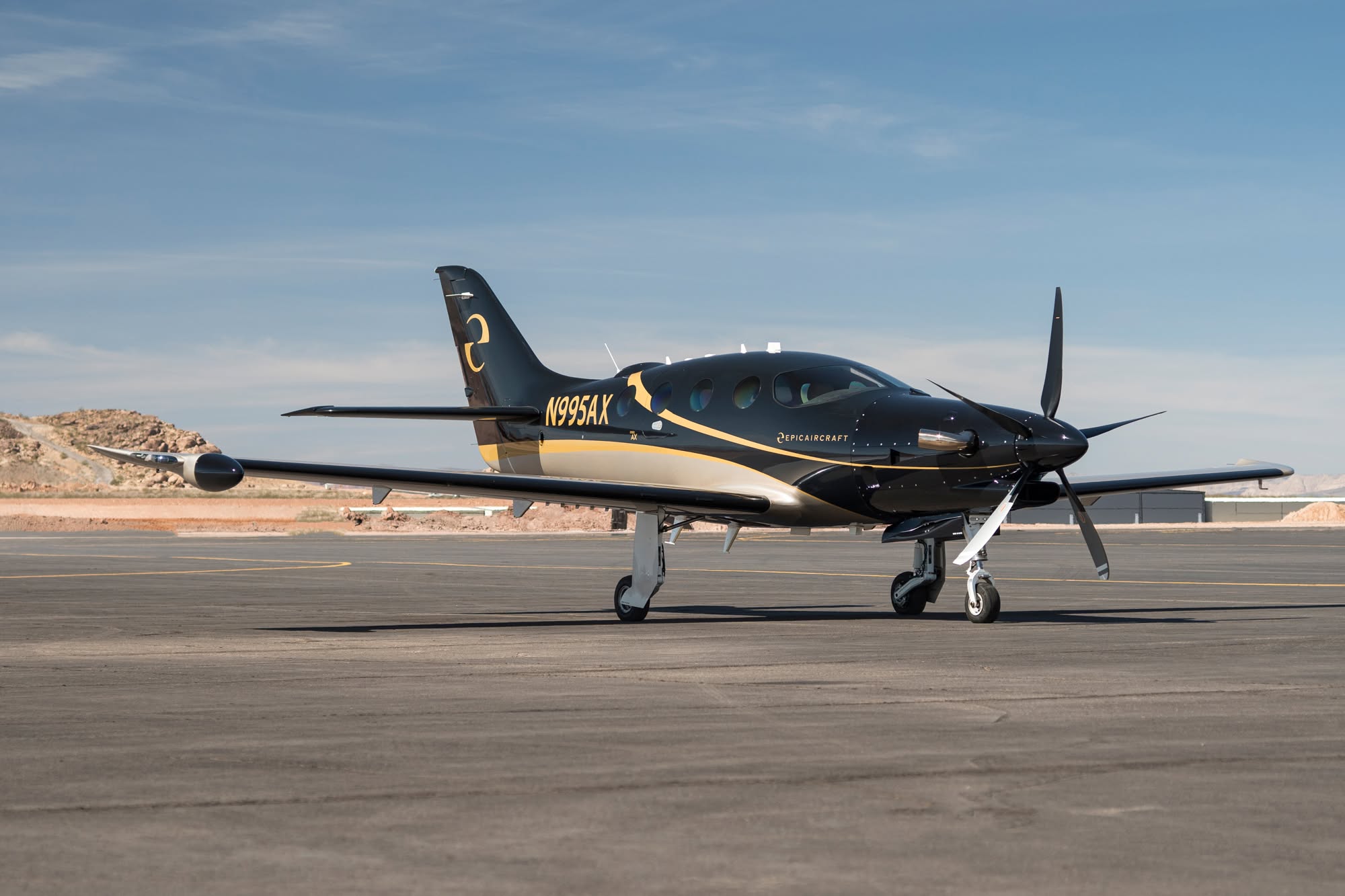
Built for Speed. Backed by Expertise: SOLJETS Builds Momentum in the Pre-Owned Epic Aircraft Market.

.png)
From Purchase to Profit: How Owners Maximize Aircraft Value Through Smart Upgrades

.JPG)