From Purchase to Profit: How Owners Maximize Aircraft Value Through Smart Upgrades
.png)

Matthew
Buying a private aircraft is only the beginning of the ownership journey. Experienced owners understand that long-term value is shaped by the decisions made after acquisition. With the right upgrades, an aircraft can hold its value more effectively and even outperform market expectations at resale. In a competitive environment, targeted enhancements can transform a standard aircraft into a highly desirable asset.
Today’s buyers are paying attention to more than just age and total time. They are evaluating technology, comfort, efficiency, and readiness for immediate use. Owners who invest strategically often see faster sales, stronger demand, and better pricing outcomes.
Avionics Modernization
Upgrading the flight deck is one of the most impactful ways to increase aircraft value. Modern avionics systems bring improved safety, better navigation accuracy, and a more intuitive pilot interface. Platforms such as Garmin G1000 NXi or Collins Pro Line Fusion are widely recognized and highly sought after.
For potential buyers, updated avionics reduce the need for future investment and simplify pilot training. This makes the aircraft more attractive to both private owners and operators. In many cases, a cockpit upgrade can reposition an older aircraft into a more competitive—and more liquid—segment within its class.
In-flight connectivity has shifted from a luxury to an expectation. Business travelers want to remain productive, while leisure passengers expect seamless entertainment options. Installing systems like Starlink or Gogo Avance L5 can dramatically enhance the onboard experience.
Aircraft equipped with reliable high-speed internet stand out in listings and attract more attention from buyers. It signals that the aircraft is current, usable, and aligned with how people actually travel today. As a result, connectivity often plays a direct role in resale value.
Cabin Interior Enhancements
First impressions matter, especially in aircraft sales. A refreshed cabin can significantly influence buyer perception. While a full interior overhaul can be costly, selective upgrades often deliver the best return on investment.
Simple changes such as new upholstery, updated wood finishes, or modern LED lighting can transform the cabin environment. These improvements create a sense of care and quality that buyers notice immediately. A well-executed interior refresh can materially shift how “new” an aircraft feels, regardless of its year.
Flexible Cabin Configurations
Versatility is becoming increasingly important in the market. Buyers are looking for aircraft that can serve multiple purposes, from business travel to personal use. Investing in flexible cabin configurations can expand the appeal of an aircraft.
Modular seating, convertible layouts, and multi-use spaces allow the aircraft to adapt to different missions. This flexibility can be a major selling point, especially for buyers who want maximum utility. Aircraft that appeal to a broader mission profile consistently generate stronger interest and more competitive offers.
Performance and Efficiency Upgrades
Performance improvements can deliver both operational and financial benefits. Enhancements such as winglets, engine upgrades, or aerodynamic refinements can improve fuel efficiency and extend range.
These upgrades lower operating costs, which is a key consideration for many buyers. Improved performance also enhances the overall capability of the aircraft. In a market that increasingly prioritizes efficiency, these upgrades directly support both usability and value.
Maintenance and Compliance Readiness
An aircraft that is fully up to date on maintenance and regulatory requirements is always more attractive to buyers. Completing service bulletins, staying current on inspections, and maintaining detailed records can make a significant difference during a transaction.
Buyers want confidence that they are acquiring a well-maintained asset. Aircraft that require minimal immediate work tend to sell faster and at stronger prices. Proactive maintenance is not just a cost of ownership, it is a value strategy.
Sustainability and Forward Thinking Upgrades
Sustainability is beginning to influence purchasing decisions across aviation. While still evolving, environmentally conscious upgrades are gaining attention. Options such as improved fuel efficiency, sustainable materials, or compatibility with sustainable aviation fuel can set an aircraft apart.
Corporate buyers in particular are placing more emphasis on environmental responsibility. Positioning an aircraft with forward-looking capabilities can strengthen both current appeal and long-term relevance.
Making Strategic Upgrade Decisions
Maximizing aircraft value is not about making every possible upgrade. It is about making the right ones. Owners who understand market trends and buyer expectations are better positioned to invest wisely.
Working with experienced aviation professionals can help identify which enhancements will deliver the strongest return. From initial purchase to eventual resale, a strategic approach ensures that each upgrade contributes to overall value.
For those who plan ahead, smart upgrades are more than improvements. They are deliberate investments that enhance the ownership experience while strengthening the aircraft’s position in the market.
Explore More on The Manifest

Celebrating 10 Years of Excellence: Hannah Bowron Marks a Decade of Impact at SOLJETS


%20(2).jpeg)


How Many Private Jets Fly to the Super Bowl? Here’s What the Numbers Show
Maintenance Programs Demystified: How Dealers Evaluate Value Before a Purchase
.jpg)
.jpg)
In a Season of Travel Challenges, Private Aviation Gives Us Much to Be Thankful For

Mastering the Phenom Market: How SOLJETS Leads in Embraer Sales and Acquisitions
.png)
%2C_Luxembourg_PP1350972612.jpg)



OBBB Act Reinstates 100% Bonus Depreciation, Reenergizes Private Jet Market

Garmin Autoland: The Life-Saving Technology Revolutionizing Private Jet Operations
President Trump's Potential Acquisition of Qatar's $400 Million Boeing 747-8: A Glimpse into Aviation Luxury

Employee Spotlight: Pericles – A Passion for Flight, Family, and Integrity
.png)


.png)

Honoring Lives Lost: SOLJETS Sends Condolences and Calls for Aviation Safety After D.C. Air Tragedy



If Santa Flew a Gulfstream: The Aviation Reality of Delivering Christmas Gifts

The Current State of the Aviation Insurance Industry: Challenges and Opportunities

The Future of Flight Has Arrived: Meet the Next Generation of Cessna Citation Business Jets

We're Growing in Utah! Strengthening Our Leadership with Shawn Beckstrom as Director of Business Development


.webp)


Exploring the Embraer Praetor 600: Price, Features, and Market Comparison


.avif)


.webp)


.jpeg)


University of Utah Student Completes Soljets' First Summer Internship
.jpeg)
.jpeg)

.jpeg)
.jpeg)
.jpeg)
Twin & Turbine, April 2020 Feature - Increase Your Planes Value In Today's Market
.jpeg)

.jpeg)
Soljets Welcomes Seasoned Aviation Sales Professional Michael Parker To The Team


.jpeg)
.jpeg)
.jpeg)


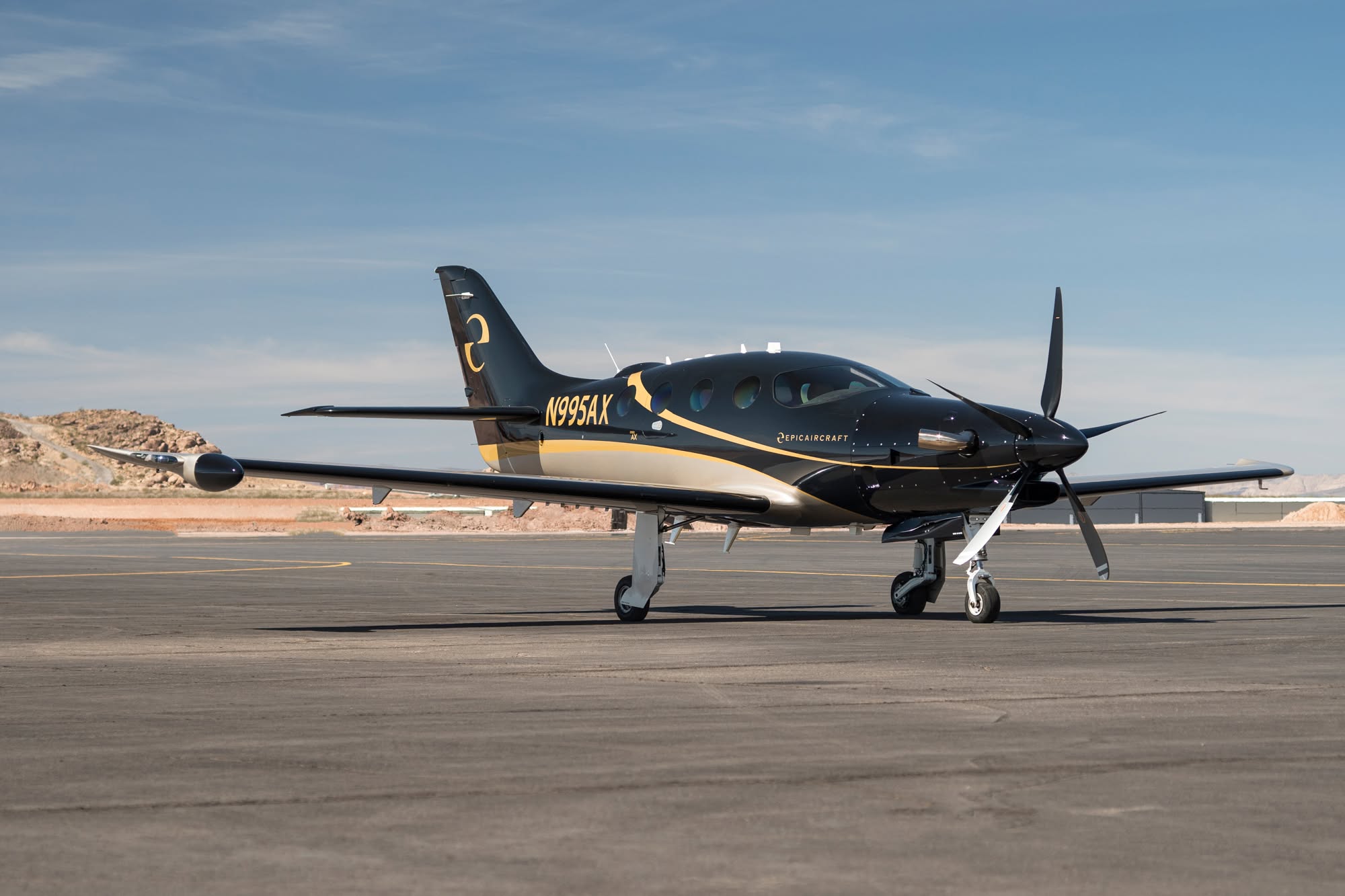
Built for Speed. Backed by Expertise: SOLJETS Builds Momentum in the Pre-Owned Epic Aircraft Market.

.JPG)