12 Aviation Facts That Honor the Heroes of Memorial Day


Matthew
Memorial Day is more than the unofficial start of summer. It is a solemn reminder of the brave men and women who gave their lives in service to the United States. Aviation has played a critical role in defending freedom throughout modern history, from reconnaissance missions in World War I to advanced air superiority in today’s military operations. At SOLJETS, we honor the sacrifices of those who served by reflecting on the connection between aviation and America’s military legacy.
Here are 12 powerful aviation facts that highlight how flight changed warfare, supported soldiers, and helped shape history.
1. The Wright Brothers Changed Warfare Forever
Only a few years after the Wright brothers achieved powered flight in 1903, military leaders recognized aviation’s potential. By World War I, airplanes were already being used for reconnaissance missions, giving commanders the ability to track enemy movements from the skies for the first time in history.
2. Aviation Became Essential During World War II
World War II transformed aviation into one of the most important military assets in the world. Fighter aircraft like the P-51 Mustang and bombers like the B-17 Flying Fortress became symbols of American strength and resilience.
Air superiority often determined the outcome of battles, and pilots risked their lives daily during dangerous missions over Europe and the Pacific.
3. The Tuskegee Airmen Made History
The Tuskegee Airmen were the first African American military aviators in U.S. history. Serving during World War II, these highly skilled pilots overcame discrimination while escorting bombers and completing successful combat missions.
Their courage and excellence paved the way for integration in the U.S. military and inspired generations to come.
4. Aircraft Carriers Revolutionized Naval Warfare
Before aviation, battleships dominated naval combat. During World War II, aircraft carriers changed everything. These floating airbases allowed planes to launch attacks hundreds of miles away, completely redefining military strategy.
Today, aircraft carriers remain one of the most powerful symbols of American defense.
5. Helicopters Saved Thousands of Lives in Vietnam
During the Vietnam War, helicopters became lifelines for soldiers on the ground. Medevac missions, commonly performed by the iconic Bell UH-1 “Huey,” transported wounded troops quickly to medical care.
These missions dramatically increased survival rates and demonstrated aviation’s humanitarian role in warfare.
6. Aviation Helped Win the Battle of Britain
In 1940, the Royal Air Force defended Britain against relentless German air attacks in one of history’s most important aerial campaigns. Radar technology and skilled fighter pilots helped stop the Nazi advance.
Without aviation, the outcome of World War II could have looked very different.
7. Military Aviation Accelerated Technological Innovation
Many aviation technologies we use today were developed because of military needs. GPS navigation, radar systems, jet engines, and even pressurized cabins advanced rapidly through military aviation programs.
Modern usiness aviation continues to benefit from innovations first created for defense.
8. The Berlin Airlift Was One of History’s Greatest Aviation Missions
After World War II, the Soviet Union blocked supplies from entering West Berlin. In response, Allied pilots flew more than 277,000 missions to deliver food, fuel, and supplies to civilians.
The Berlin Airlift proved aviation could save lives without firing a single shot.
9. The U.S. Air Force Became Its Own Branch in 1947
Recognizing the growing importance of air power, the United States established the U.S. Air Force as a separate military branch in 1947.
This decision reflected how aviation had evolved from a support tool into a primary force for national defense.
10. Aviation Continues Supporting Modern Military Operations
Today’s military pilots operate some of the most advanced aircraft ever built, including stealth fighters, cargo aircraft, drones, and aerial refueling tankers.
These aircraft support humanitarian missions, disaster relief efforts, troop transportation, and global security operations around the world.
11. Memorial Day Flyovers Honor Fallen Heroes
Across the country, Memorial Day ceremonies often include military flyovers featuring vintage warbirds or active-duty aircraft. These powerful tributes symbolize respect, remembrance, and gratitude for those who made the ultimate sacrifice.
The roar of jet engines overhead serves as a reminder that freedom is never free.
12. Aviation Represents Freedom, Sacrifice, and Service
From fighter pilots to mechanics, air traffic crews to rescue teams, aviation has always depended on brave individuals willing to serve something greater than themselves.
This Memorial Day, we honor not only the fallen soldiers but also the aviators who risked everything in defense of liberty.
Honoring Memorial Day Through Aviation
At SOLJETS, aviation is more than an industry. It is part of a proud American legacy built on courage, innovation, and sacrifice. As we reflect on Memorial Day, we remember the heroes whose service shaped history and protected future generations.
Whether flying missions overseas or supporting troops from the ground, military aviation has long represented the spirit of dedication and honor that Memorial Day stands for.
From all of us at SOLJETS, we thank those who served and remember those who never made it home.
Explore More on The Manifest
%20(2).jpeg)
How Many Private Jets Fly to the Super Bowl? Here’s What the Numbers Show
Maintenance Programs Demystified: How Dealers Evaluate Value Before a Purchase
.jpg)
.jpg)
In a Season of Travel Challenges, Private Aviation Gives Us Much to Be Thankful For
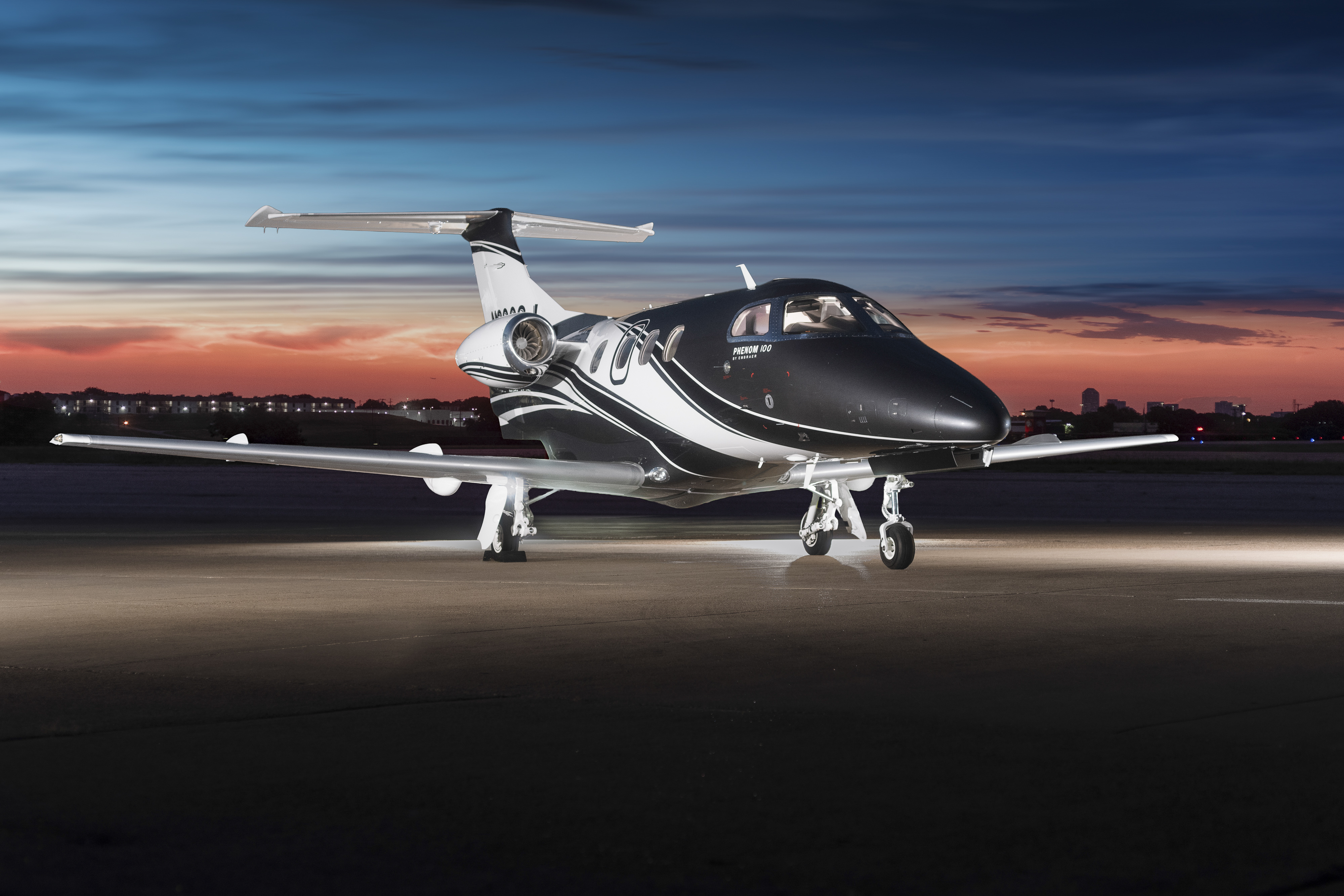
Mastering the Phenom Market: How SOLJETS Leads in Embraer Sales and Acquisitions
.png)
%2C_Luxembourg_PP1350972612.jpg)

OBBB Act Reinstates 100% Bonus Depreciation, Reenergizes Private Jet Market

Garmin Autoland: The Life-Saving Technology Revolutionizing Private Jet Operations
President Trump's Potential Acquisition of Qatar's $400 Million Boeing 747-8: A Glimpse into Aviation Luxury

Employee Spotlight: Pericles – A Passion for Flight, Family, and Integrity
.png)


.png)

Honoring Lives Lost: SOLJETS Sends Condolences and Calls for Aviation Safety After D.C. Air Tragedy

If Santa Flew a Gulfstream: The Aviation Reality of Delivering Christmas Gifts

The Current State of the Aviation Insurance Industry: Challenges and Opportunities

The Future of Flight Has Arrived: Meet the Next Generation of Cessna Citation Business Jets

We're Growing in Utah! Strengthening Our Leadership with Shawn Beckstrom as Director of Business Development


.webp)


Exploring the Embraer Praetor 600: Price, Features, and Market Comparison


.avif)


.webp)


.jpeg)


University of Utah Student Completes Soljets' First Summer Internship
.jpeg)
.jpeg)

.jpeg)
.jpeg)
.jpeg)
Twin & Turbine, April 2020 Feature - Increase Your Planes Value In Today's Market
.jpeg)

.jpeg)
Soljets Welcomes Seasoned Aviation Sales Professional Michael Parker To The Team


.jpeg)
.jpeg)
.jpeg)


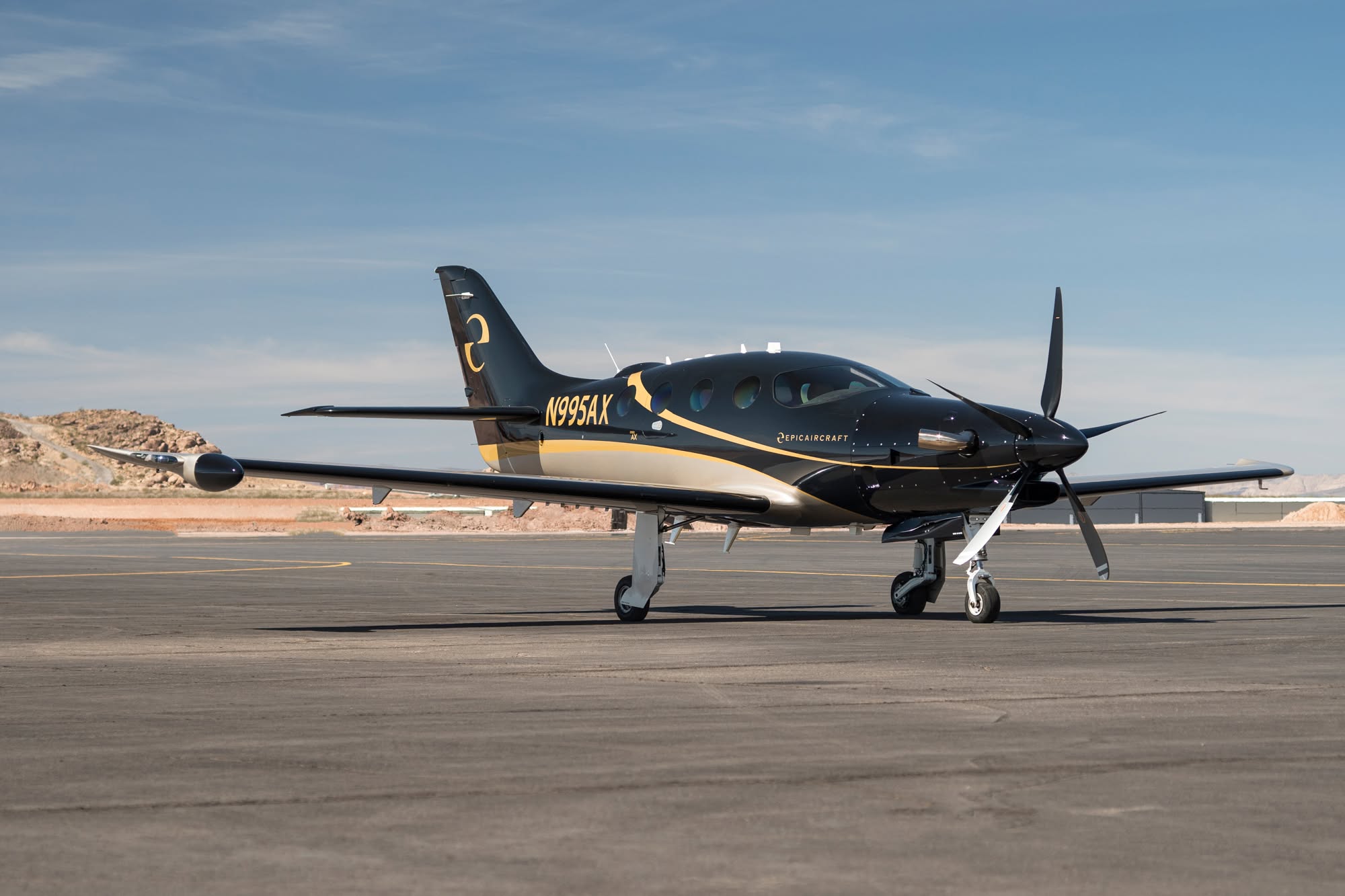
Built for Speed. Backed by Expertise: SOLJETS Builds Momentum in the Pre-Owned Epic Aircraft Market.
.png)
From Purchase to Profit: How Owners Maximize Aircraft Value Through Smart Upgrades

.JPG)

Fairways, Festivals, and Flight Plans: The Ultimate Jet-Owner’s 2026 Event Calendar