Key Steps to Take Before Selling or Upgrading Your Aircraft

Matthew
Selling or upgrading a private jet is a major financial decision, and for many owners, it is also a highly personal one. Whether your aircraft no longer fits your mission profile, your travel needs have changed, or you are ready to move into a newer platform, the process requires careful preparation. The most successful transactions rarely happen by chance. They happen when owners take the right steps before bringing their aircraft to market.
Before listing your jet or beginning the search for an upgrade, here are several important steps every aircraft owner should consider.
Understand Your Current Mission Needs
Before deciding what comes next, take a close look at how you use your aircraft today. Has your typical passenger count changed? Are you flying longer routes? Do you need better runway performance, more cabin space, upgraded avionics, or improved operating efficiency?
Many owners begin the upgrade process with a specific aircraft in mind, but the better starting point is your mission profile. A jet that made perfect sense five years ago may no longer be the best fit. By clearly defining your travel patterns, budget, range requirements, and cabin expectations, you can make a more confident decision about whether to sell, upgrade, or hold.
Review Aircraft Records Early
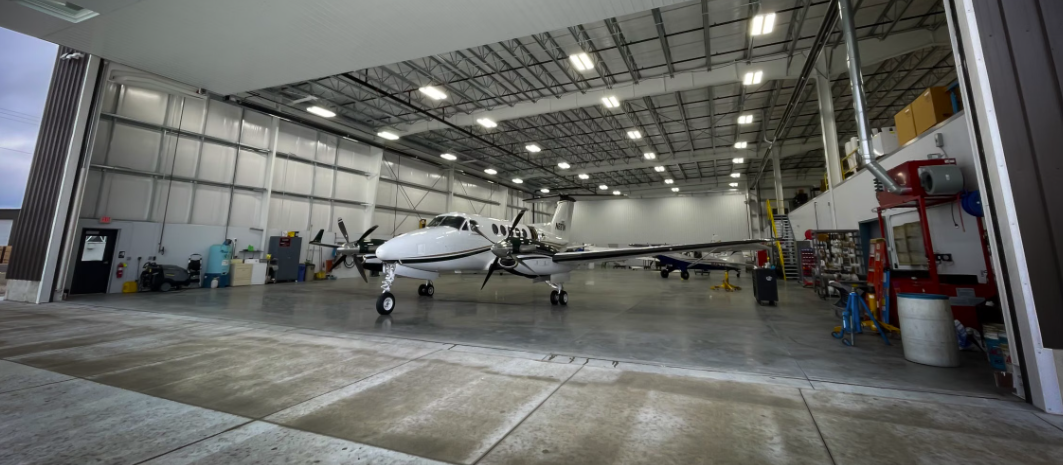
Complete and organized maintenance records are one of the most important factors in a successful aircraft sale. Buyers want confidence, and missing or incomplete logs can raise concerns, slow negotiations, or reduce aircraft value.
Before going to market, review your logbooks, inspection history, maintenance tracking, engine programs, airworthiness directives, service bulletins, and modification records. If there are gaps, address them as early as possible. A well-documented aircraft gives buyers fewer reasons to hesitate and helps support stronger pricing.
Evaluate Upcoming Maintenance Events
Major inspections, engine work, avionics updates, and other scheduled maintenance items can significantly affect marketability. Buyers will evaluate not only the aircraft’s current condition, but also what expenses may be coming soon.
If your jet has a major inspection approaching, it is important to understand how that may influence the sale strategy. In some cases, completing maintenance before listing can make the aircraft more attractive. In other situations, pricing the aircraft accordingly may be the better path. The right approach depends on the aircraft type, current market conditions, and buyer expectations.
Know the True Market Value
Aircraft values can shift based on inventory levels, buyer demand, equipment, total time, maintenance status, pedigree, and broader economic conditions. Relying on outdated assumptions or online estimates can lead to overpricing or leaving money on the table.
A professional market valuation gives owners a clearer understanding of where their aircraft stands. It also helps establish realistic expectations before negotiations begin. With the right guidance, sellers can position their aircraft competitively while still protecting its value.
Many owners also wonder whether they should wait for a better market. While market conditions certainly matter, the best time to sell is often when your aircraft no longer aligns with your mission and there is a clear plan for what comes next. Waiting for the perfect market can sometimes mean missing opportunities on both the sale and acquisition side.
Prepare the Aircraft for Buyer Scrutiny
Presentation matters. Buyers will inspect everything from the exterior paint and cabin condition to avionics, connectivity, records, and maintenance status. Even small details can shape perception.
Before listing, consider what improvements may create the best return. This does not always mean investing in major upgrades. Sometimes, deep cleaning, minor cosmetic repairs, interior touch-ups, or correcting small discrepancies can make a meaningful difference. The goal is to present the aircraft as a well-cared-for asset.
Plan the Upgrade and Sale Together
For owners upgrading, timing is everything. Selling too soon can create a gap in travel availability, while waiting too long may mean missing the right aircraft or facing changing market conditions.
A coordinated strategy helps align the sale of your current jet with the acquisition of your next one. This includes understanding trade opportunities, market availability, financing considerations, tax planning, pre-buy inspections, and closing timelines. The more these elements are planned in advance, the smoother the transition becomes.
Work With an Experienced Aircraft Broker
A private jet transaction involves far more than listing an aircraft and waiting for offers. It requires market knowledge, negotiation expertise, technical understanding, buyer qualification, documentation management, and transaction oversight.
Working with an experienced aircraft broker helps owners avoid costly mistakes and move through the process with confidence. The right broker can help determine value, identify qualified buyers, manage inquiries, guide negotiations, coordinate inspections, and support a successful closing.
Make the Move With Confidence
Selling or upgrading your jet is not just about timing the market. It is about preparation, strategy, and having the right team in place. Owners who take the time to understand their aircraft, organize records, evaluate maintenance, and plan their next move are better positioned for a smooth and successful transaction.
At SOLJETS, we help owners evaluate their options, position their aircraft for sale, and identify the right replacement aircraft when the time comes. Whether you're actively planning an upgrade or simply exploring your options, our team can help you build a strategy that aligns with your goals.
Explore More on The Manifest



%20(2).jpeg)


How Many Private Jets Fly to the Super Bowl? Here’s What the Numbers Show
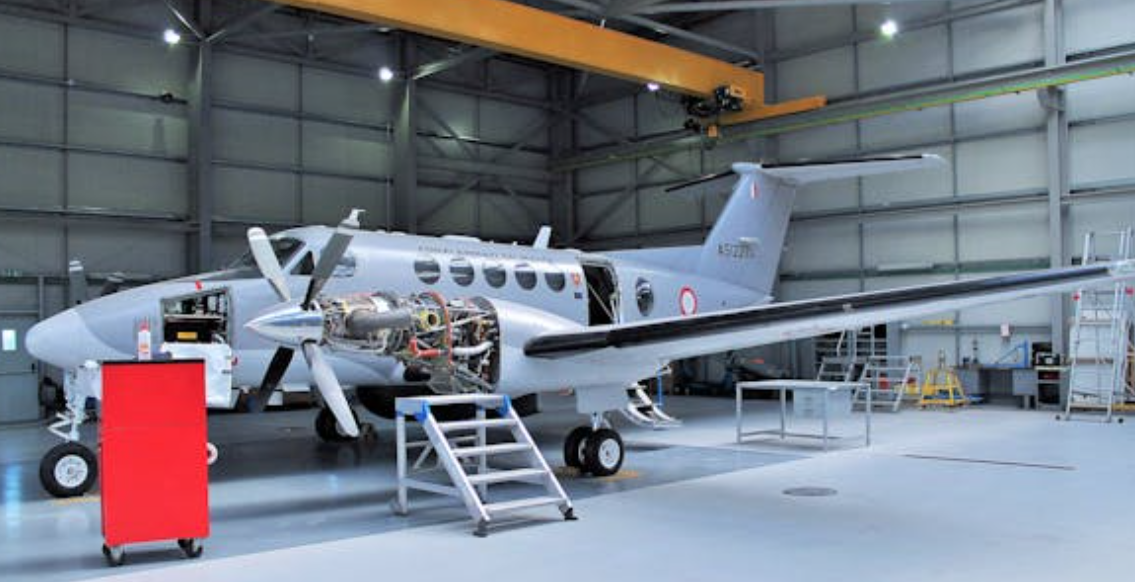
Maintenance Programs Demystified: How Dealers Evaluate Value Before a Purchase
.jpg)
.jpg)
In a Season of Travel Challenges, Private Aviation Gives Us Much to Be Thankful For

Mastering the Phenom Market: How SOLJETS Leads in Embraer Sales and Acquisitions
.png)
%2C_Luxembourg_PP1350972612.jpg)



OBBB Act Reinstates 100% Bonus Depreciation, Reenergizes Private Jet Market

Garmin Autoland: The Life-Saving Technology Revolutionizing Private Jet Operations

President Trump's Potential Acquisition of Qatar's $400 Million Boeing 747-8: A Glimpse into Aviation Luxury

Employee Spotlight: Pericles – A Passion for Flight, Family, and Integrity
.png)


.png)

Honoring Lives Lost: SOLJETS Sends Condolences and Calls for Aviation Safety After D.C. Air Tragedy



If Santa Flew a Gulfstream: The Aviation Reality of Delivering Christmas Gifts

The Current State of the Aviation Insurance Industry: Challenges and Opportunities

The Future of Flight Has Arrived: Meet the Next Generation of Cessna Citation Business Jets

We're Growing in Utah! Strengthening Our Leadership with Shawn Beckstrom as Director of Business Development


.webp)


Exploring the Embraer Praetor 600: Price, Features, and Market Comparison


.avif)


.webp)


.jpeg)


University of Utah Student Completes Soljets' First Summer Internship
.jpeg)
.jpeg)

.jpeg)
.jpeg)
.jpeg)
Twin & Turbine, April 2020 Feature - Increase Your Planes Value In Today's Market
.jpeg)

.jpeg)
Soljets Welcomes Seasoned Aviation Sales Professional Michael Parker To The Team


.jpeg)
.jpeg)
.jpeg)



Built for Speed. Backed by Expertise: SOLJETS Builds Momentum in the Pre-Owned Epic Aircraft Market.

.png)
From Purchase to Profit: How Owners Maximize Aircraft Value Through Smart Upgrades

.JPG)